LANGHE DOC. STORIES OF HERETICS IN THE ITALY OF WAREHOUSES
(vai alla pagina in Italiano)Three characters, three stories of "heretics", three food producers who think in a different way to describe the transformation of our Country in what in “Langhe Doc” Giorgio Bocca calls the Italy of warehouses.
52'
2011
Paolo Casalis
Bio, Food, Wine, Langhe
English, Hebrew, Croatian
Stuffilm Creativeye
Produzioni Fuorifuoco
We're in Langhe, a unique territory, universally recognized as one of the most beautiful places in Italy, fresh candidate for Unesco World Heritage but afflicted by uncontrolled economic development, urbanization, overbuilding, abandonment of the less profitable areas.
Those of Maria Theresa, Silvio and Mauro are stories of people who have insight into a future they do not like and have chosen to refuse it.
Their challenges are still open, they're not yet fully met and perhaps they never will: these heretics move in one direction, while the world moves in another, quite the opposite one.
FILM CHARACTERS
Maria Teresa Mascarello
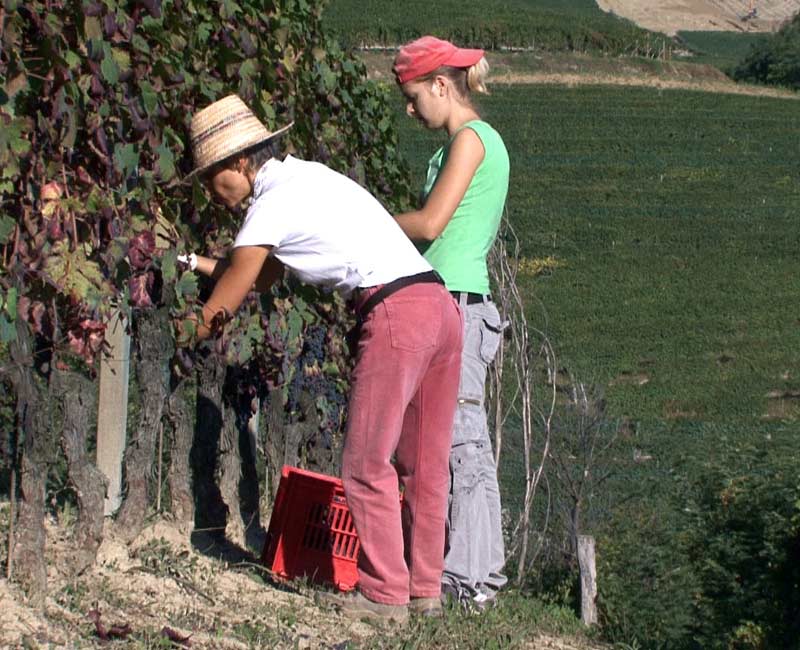
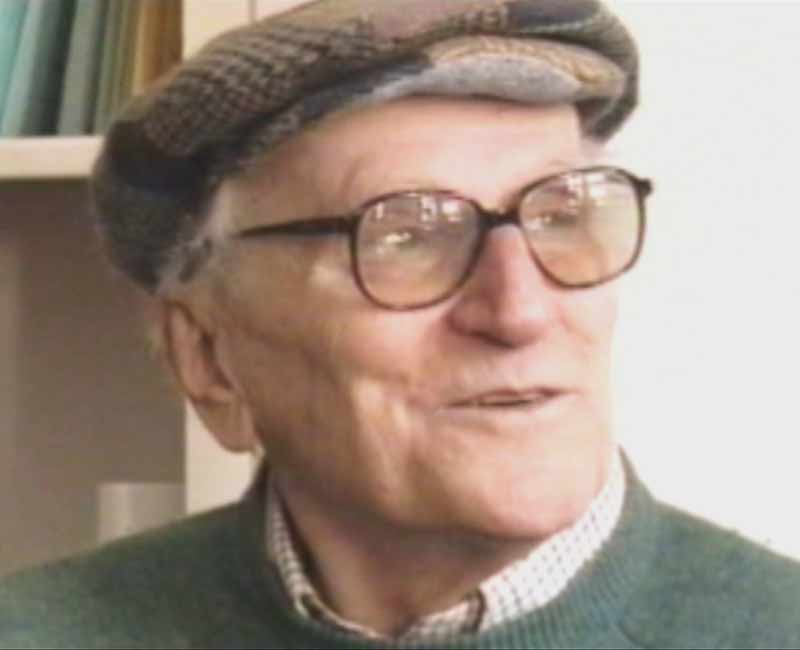
Maria Teresa is the only daughter of Bartolo Mascarello, the legendary patriarch of Barolo wine, a proud defender of traditional wine, the one produced without yielding to modern technologies or fashions. Maria Teresa studied in Turin, where she graduated in Foreign Languages and Literature. "Up to her twenty years, I didn't even succeed in making her taste a drop of wine with her finger," Bartolo Mascarello recalls in an archival video. He wanted her daughter to stay in Langa and attend a wine making school. Today Maria Teresa, as slim and petite as she is determined and combative, leads the family company and continue to produce wine in the Cellar of Barolo, "As my father did, and my grandfather".
Bartolo Mascarello
from The New York TimesThe cause was cardiac arrest, said his daughter, Maria-Teresa.
Italian winemaking underwent profound changes in the past 40 years, but Mascarello refused to swim with the tide, clinging tenaciously to the methods of his forebears, who taught him how to make wine.
"I'm loyal to the tradition of my father and my grandfather," he said in an interview in 2003. "I don't want to throw that away to make wine as they make it in Australia and Chile and Sicily." For years, Mascarello's unyielding stance branded him as a has-been among some of his peers and Italian wine critics. But in the late 1990s, the trends began to turn back his way, and his wines began to receive critical acclaim.
"We never went with the trends, and we suffered," said Maria-Teresa Mascarello, who assisted her father for many years. "The press would speak well of them and attack us as people who couldn't keep up with the times."
Barolo is produced from the nebbiolo grape in the hills of Langhe, in the Piedmont region of northwestern Italy. Unlike cabernet sauvignon, chardonnay or pinot noir, which produce fine wines all over the world, nebbiolo refuses to flourish anywhere else.
In their youth, Barolo and its sibling wine, Barbaresco, are classically austere and tannic. But as they age, the tannins soften, releasing gorgeous, earthy flavors often described as tar, licorice, truffles, violets and roses. This evolution sometimes requires a decade or more.
In the last third of the 20th century, many Barolo producers sought to speed up this process. Traveling around the world, they tasted other wines and noted the public's taste for softer, fruitier wines that were enjoyable at an earlier age. They adopted the techniques of the French and the Americans, spurning the traditional botti, or big barrels, in favor of barriques, the French term for small oak barrels, which impart a more supple tannin.
Silvio Pistone
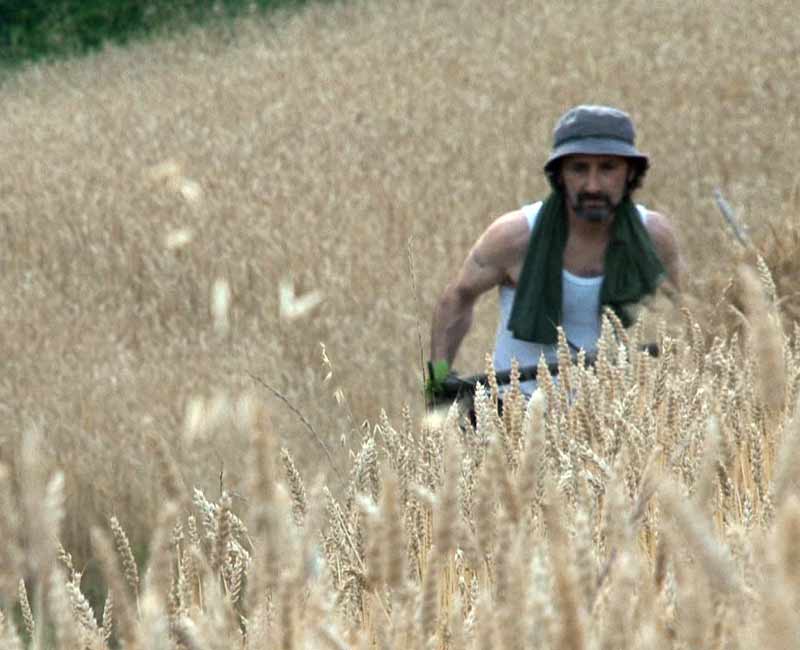
Army pants, mountain shirt, long hair, one hand-rolled cigarette constantly burning. Silvio appearS this way to customers and visitors of "Cascina Pistone", in Borgomale, a small village of Upper Langa, about 20 kms far from Alba.Here he has built a house for his wife and two children, and a stable for fifty "langa sheeps" that produce cheeses with unique flavours, sold to private clients and restaurants.
Passionate, instinctive, stubborn, Silvio is proud of his choices and wants to go even one step further.
His dream is to be able to provide more products than just their current cheese and bread, he wants his whole family to live this lifestyle, while his wife actually works in a factory in Alba. His latest challenge is to make bread "Just like they used to", with a variety of traditional seeds, without treatments or pesticides, even using obsolete farm machinery from the '30s.
Silvio is a dreamer, but he's also extremely practical, a dreamer with feet firmly anchored to the ground.
Mauro Musso
The personal story of Mauro Musso is strictly linked to the themes of food production and distribution.His parents had an intensive rearing of chickens, swept away by the flood of '94 in Piedmont; since then, Mauro worked in a big supermarket, until he was unexpectedly made reduntant.
starting out as a joke and just for a few friends, then more and more seriously, Mauro began making homemade "tajarin", the traditional pasta of Langhe. Today his "House of Tajarin" of which he is the owner and sole employee, produces several types of pasta, containing ingredients from the highest possible quality.
Mauro used tolive in what has become his current workshop and store, and has moved backin with his parents and old grandmother. He hates supermarkets and is trying with all his strenght to take his personal revenge on them.
- STREAMING E DOWNLOAD IN HD
- BUY THE DVD - SHIPMENT OUTSIDE OF ITALY
DVD comes with English subtitles
Click here for shipments to Italy)
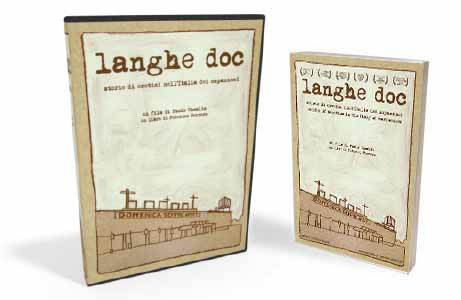
OPTION 1 Standard DVD - 12 €
OPTION 2 DVD cardboard packaging + 32 pages. booklet - 13,9 €
-
OPTION 3
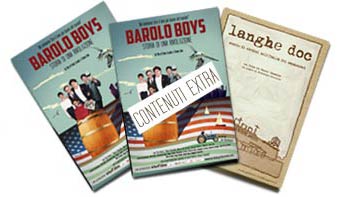
WINELOVER EDITION - 31,9€
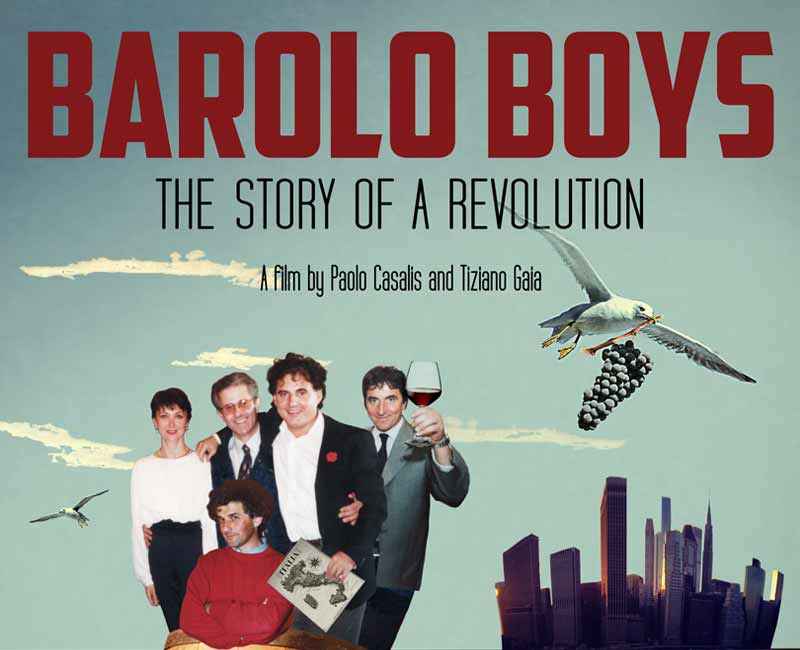
(Langhe Doc DVD + Barolo Boys DVD+Booklet + 1 DVD of extra contents from Barolo Boys)
-
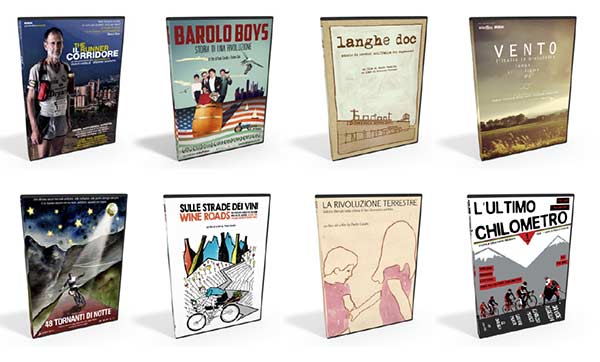
OPTION 4 - 2 DVDs for 22,9 €
Buy 1 DVD of the film "Langhe Doc" + a 2nd DVD between the ones on this website.
(after your order, please write to info@produzionifuorifuoco.it to tell us your choice) - HD STREAMING & DOWNLOAD
(English subtitles) - OFFICIAL WEBSITE